
Waterlogged Garden? What Standing Water Does to Your Trees
Most people worry about trees in a drought, but a wet winter can do just as much damage. A lot of Elmbridge sits on heavy clay, and plenty of gardens near the Thames and the Mole flood or stay soggy for weeks at a time. Here’s what that does to your trees, what to look out for, and what you can do about it.
Why Trees Struggle in Wet Ground
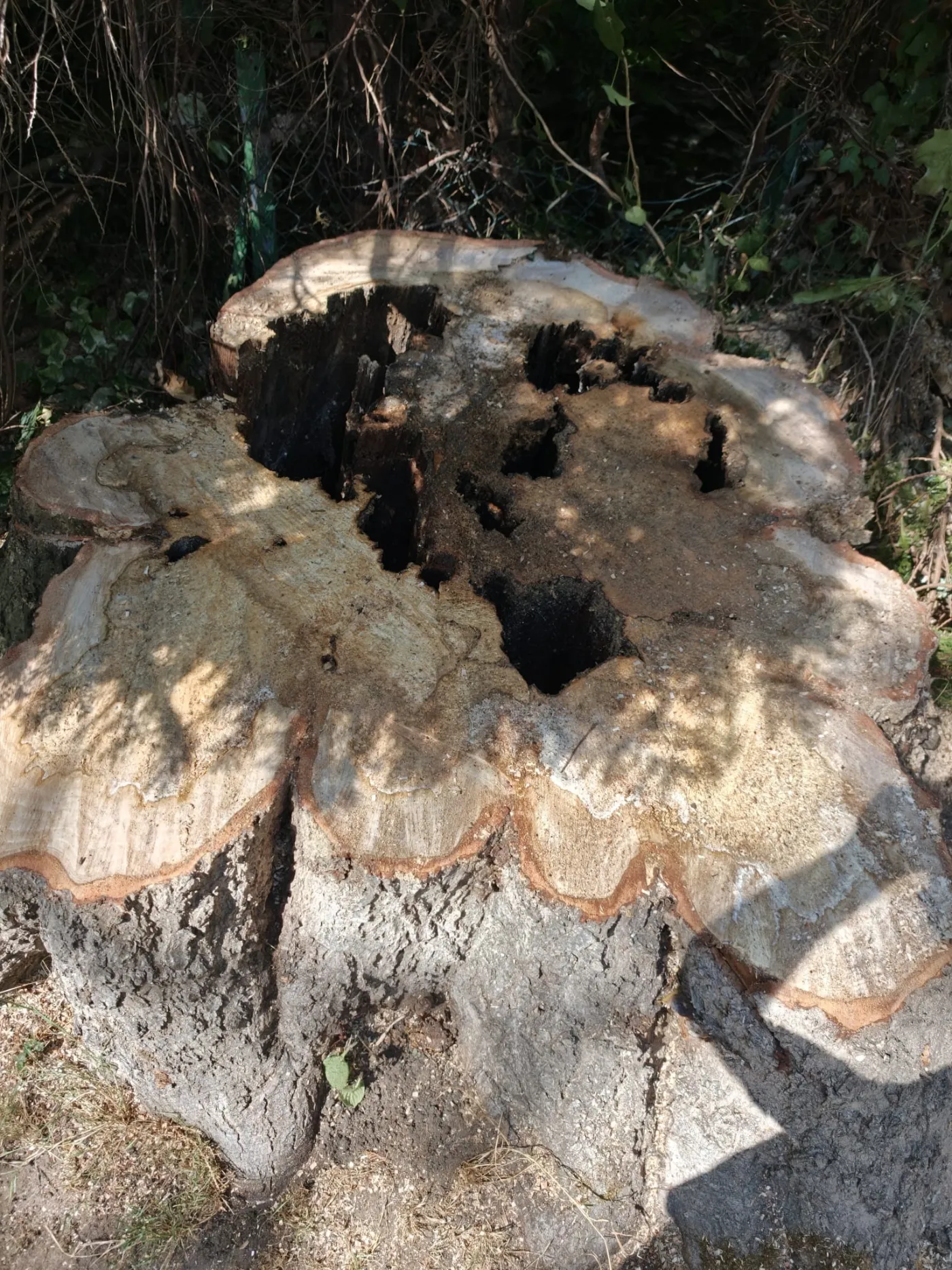
Roots need air as well as water. When the ground stays waterlogged, the air spaces in the soil fill up and the roots start to suffocate. A short flood usually isn’t a problem, especially in winter when trees are resting. The damage happens when the ground stays saturated for a long spell, and it’s worse once the weather warms up and the roots are working harder.
The odd thing is that a tree with drowned roots often looks thirsty, because it can’t take water up any more.
Signs Your Tree Is Struggling
- Leaves turning yellow, wilting or dropping early, even though the ground is wet
- Smaller leaves than usual, or a thin-looking crown
- Branch tips and the top of the tree dying back
- Soft, peeling or dark-stained bark around the base of the trunk
- Roots that look blue-black and smell sour if you dig down a little
- Toadstools appearing around the base
Common Problems in Wet Gardens
Root rot (Phytophthora). This is the big one. It thrives in wet, heavy or compacted soil and attacks the roots and the base of the trunk. You might see a dark, often V-shaped stain under the bark at the base, sometimes weeping. Yew is especially prone, along with Lawson cypress, cherries and plums, apple, rowan, maples, horse chestnut, holly and box. It looks a lot like plain waterlogging or honey fungus, so it often needs a lab test to be sure. There’s no treatment you can buy, so the answer is better drainage and, where a tree is badly affected, removing it before it becomes unsafe.
Honey fungus. Trees that are already stressed, by waterlogging or anything else, are more likely to be attacked by honey fungus. Look for honey-coloured toadstools in autumn and white, fan-shaped sheets of fungus under the bark at the base. Our honey fungus guide explains what to do.
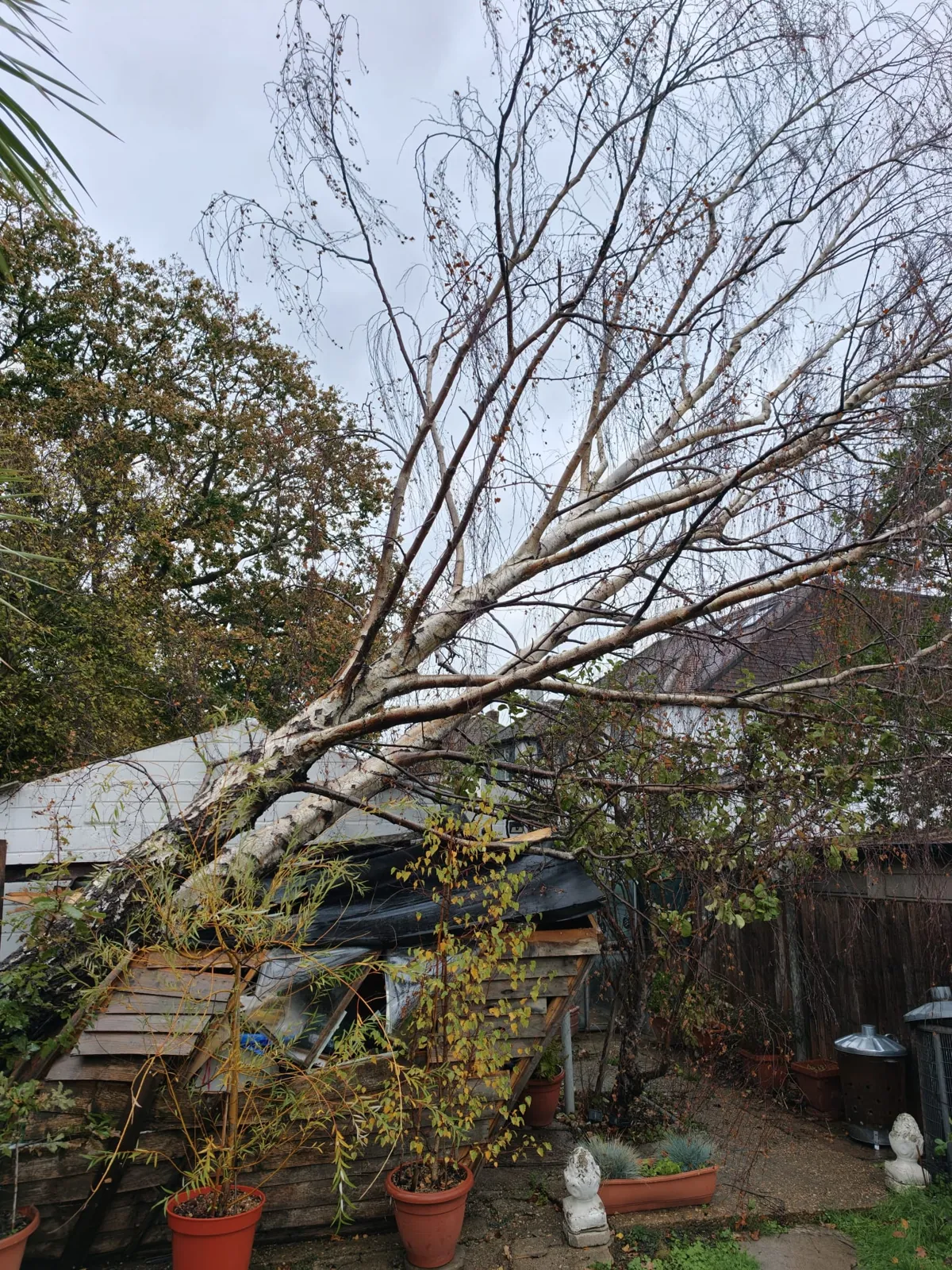
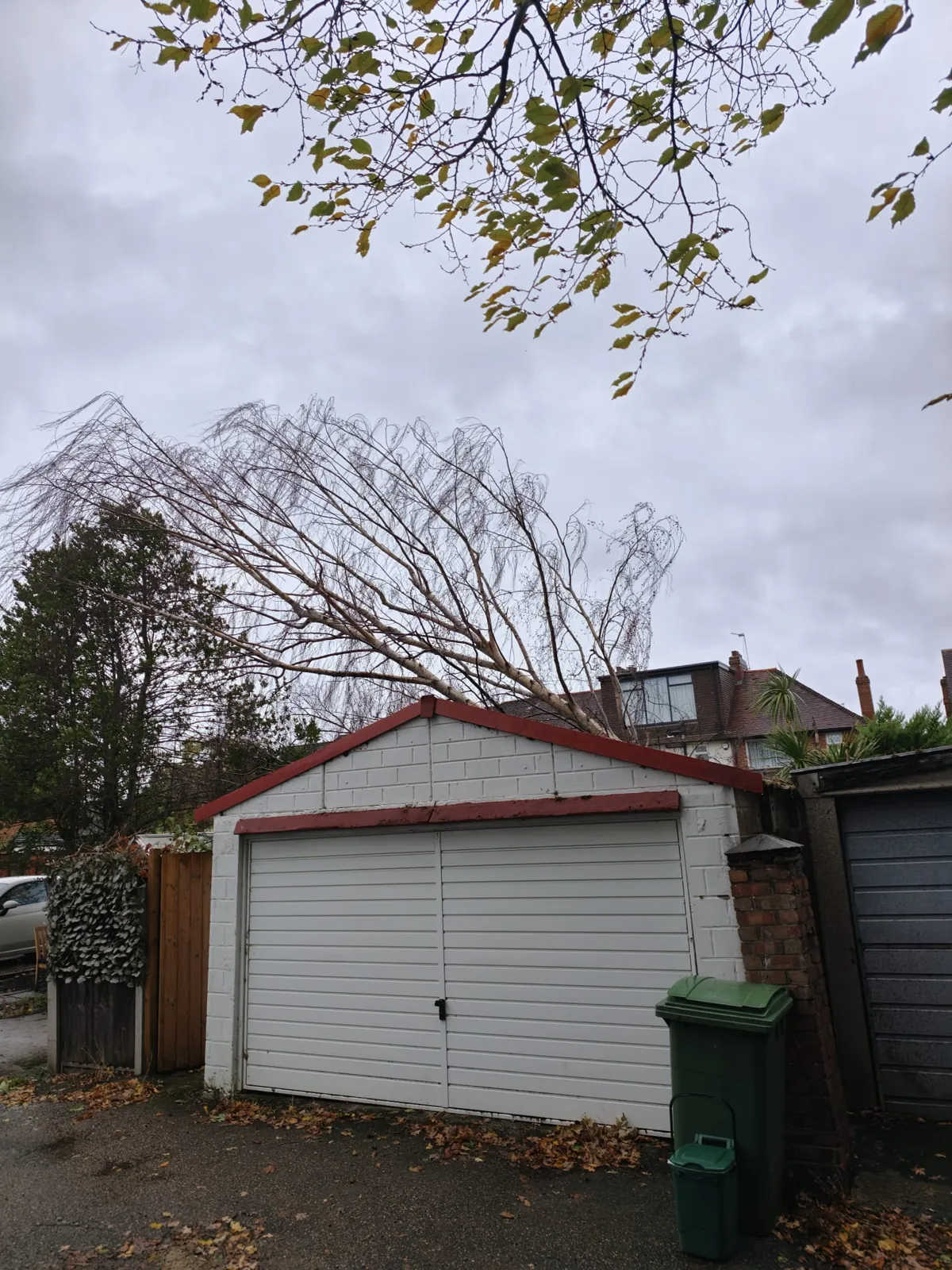
Trees blowing over. Wet soil grips roots far less firmly, and winter storms tend to arrive just as the ground is at its wettest. A tree that was perfectly stable in summer can be at risk by January.
Trees That Cope With Wet Feet, and Ones That Don’t
Willow and alder are happy in damp ground, and so are swamp cypress and river birch. Yew, beech, cherry and most conifers really struggle. If you’re planting in a spot that stays wet, choosing the right tree makes all the difference. Have a look at our tree planting page.
How to Prevent It
- Stay off wet ground. Walking, parking or wheeling things over the area under a tree squashes the soil and makes drainage worse.
- Aerate, but carefully. Spiking or hollow-tining the lawn helps water soak away. Under trees, keep it light. Deep forking or digging tears the fine roots the tree depends on and does more harm than good.
- Specialist help for badly compacted ground. Around an important tree, there are ways to loosen the soil without damaging the roots. Air spading uses a tool that blasts compressed air into the ground, breaking up packed soil while leaving the roots in place. Vertical mulching means drilling holes in a grid across the root area and filling them with compost or grit, which lets air and water down to the roots for years. Both need the right kit and someone who knows where the roots are.
- Mulch the roots, but don’t bury them. A layer of bark or wood chip 5 to 8cm deep over the root area improves the soil over time. Keep it a hand’s width away from the trunk, and never pile soil up or raise the ground level over the roots, because that cuts off their air.
- Deal with run-off. Check where your downpipes and patio water go. A water butt, permeable paving for drives and paths, or a rain garden in the lowest corner can all take the pressure off.
- Drainage for problem spots. A French drain or soakaway can make a real difference where water sits every winter. Get advice before digging near a tree, though, because cutting through the main roots can do more harm than the water. If the tree is protected, you may need permission first. See do I need permission to cut down a tree?
- Plant the right tree, the right way. In wet spots, choose a tree that likes it, plant it on a slight mound so the roots sit above the wettest soil, and avoid smearing the sides of the planting hole in clay.
- Water in dry spells afterwards. Trees that have been waterlogged have fewer working roots, so they struggle more in the next dry summer.
When to Do It
- Aerating the lawn: autumn is best, roughly September to October, while the ground is damp but not soggy. Spring works too. Never do it when the ground is waterlogged or frozen.
- Mulching: autumn or late winter, after rain, so you’re locking moisture into soft soil rather than covering hard, dry ground.
- Air spading or vertical mulching: usually autumn or early spring, when the soil is moist enough to work and the tree isn’t in full growth.
- Drains and soakaways: late summer or early autumn, when the ground is at its driest and before the winter rain arrives.
- Planting in wet spots: the dormant season, November to March, during a spell when the ground isn’t waterlogged.
- Checking your trees: after a long wet spell or a big storm, and again in spring when the leaves come out, because that’s when thin leaves and dieback show up.
When to Call Us
- A lean that’s new or getting worse
- Cracks or heaving in the soil around the base, or roots lifting out of the lawn
- Fungus growing at the base or on the trunk
- Large dead branches, or bark coming away at the base
If you’re worried about any of these, or about compacted ground around one of your trees, give us a call and we’ll come and take a look. Getting a tree checked early is much cheaper than dealing with one that’s come down.
If a tree has already fallen onto a road or there’s a risk to anyone’s safety, call 999. If it’s touching power lines, keep well clear and call 105. Then see our guide on what to do when a tree comes down in a storm, or call our 24/7 emergency line.
Not Sure What’s Wrong With Your Tree?
Waterlogging, root rot, honey fungus and plain old drought stress can all look much the same from the ground. If you’re not sure what’s going on, send us a few photos or get in touch and we’ll help you work out what the problem is before you spend anything on it.
Related Reading
Get in Touch
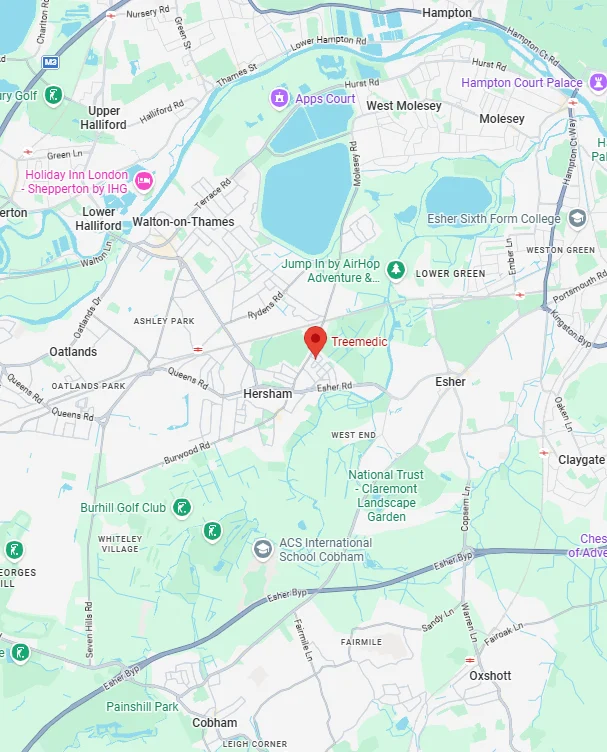
If you’re worried about a tree in a wet or waterlogged garden, get in touch for a free, no-obligation assessment. Call 07522 167 197 or 020 3488 8694, or get a free quote.
Office Opening Hours:
Monday to Friday: 7.30am to 5pm
Saturday to Sunday: Closed
24/7 Emergency Call-Out Service Available